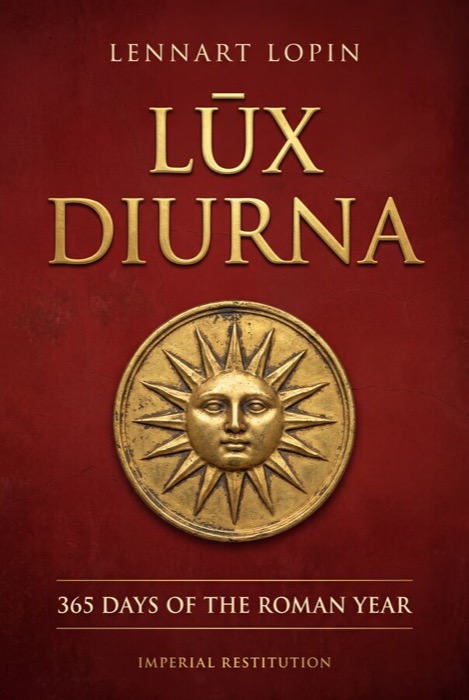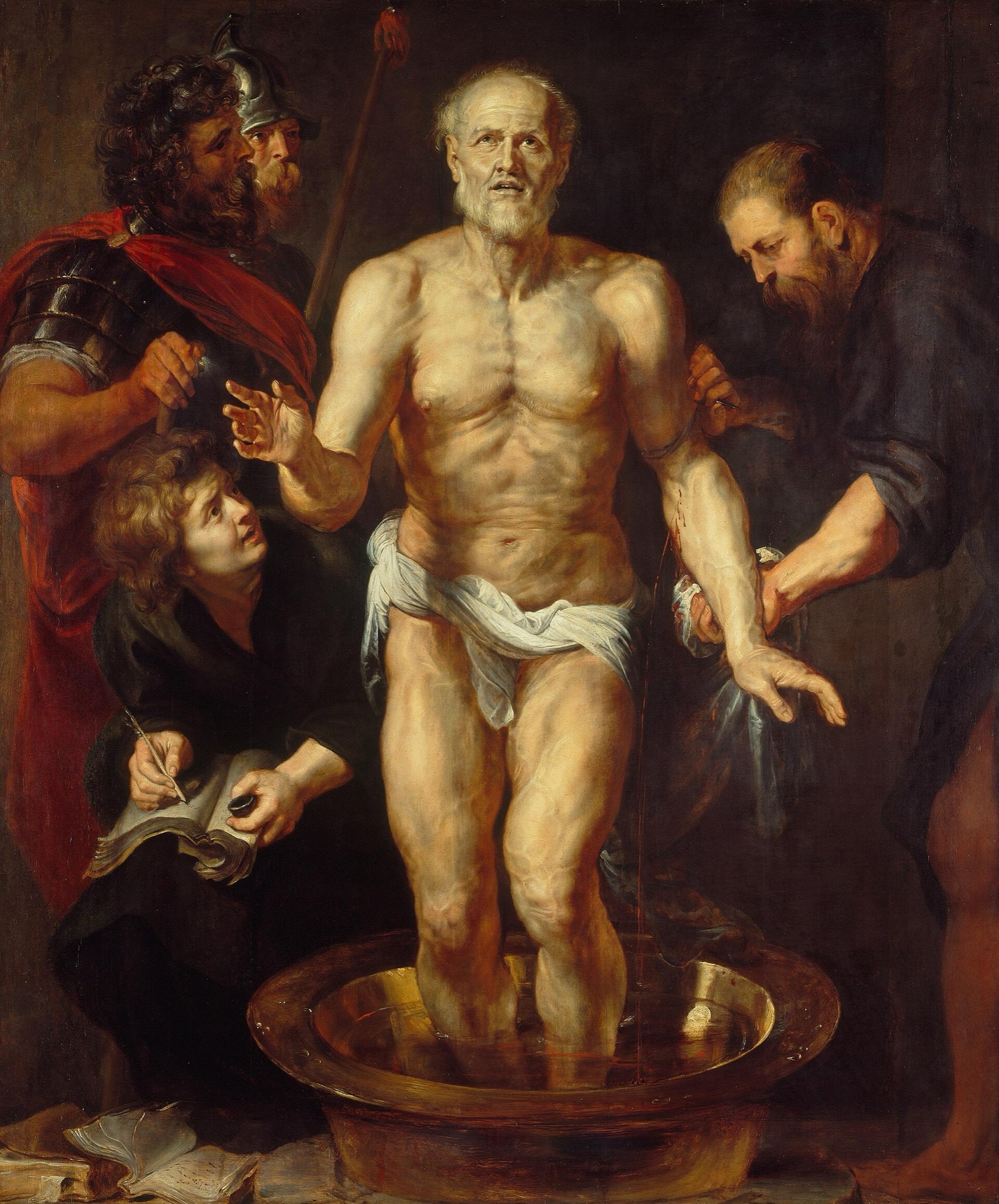
Tab. IPetrus Paulus Rubens, Seneca moriens (c. MDCXV).Peter Paul Rubens, The Dying Seneca (c. 1615).
Ad Se Ipsum · De limine munitoTo Himself · On the fortified threshold
De ferro ante limen
Of iron before the threshold
Die Weltwoche nuntiat novam per Galliam turbarum undam ortam esse, vigiles multos comprehendisse, Emmanuelem Macron regiam suam curribus loricatis saepsisse; Politico Europe motum a discipulis scholarum coeptum, pretio ignis et luminis inflammatum, aere alieno publico aggravatum tradit. Princeps qui limen suum contra cives munit iam intus victus est.
Die Weltwoche reports that a new wave of unrest has risen across France, that the police have arrested many, and that Emmanuel Macron has ringed his palace with armoured vehicles; Politico Europe relates that the movement began with schoolchildren, was inflamed by the price of fuel and power, and is weighed down by public debt. A ruler who fortifies his threshold against his citizens is already beaten within.
Cur hoc legimusWhy we read this Quia imperator qui ferrum inter se et cives suos obicit non regit sed obsidetur.Because an emperor who throws iron between himself and his citizens does not rule, but is besieged.
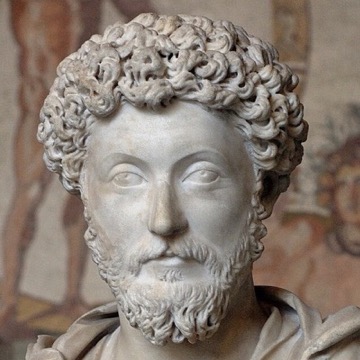
Die Solis, ante diem VIII Kalendas Novembres, anno urbis conditae MMDCCLXXIX. Romae, in Palatio, lucerna accensa.
Sunday, the eighth day before the Kalends of November, in the year 2779 from the founding of the City. Rome, on the Palatine, the lamp lit.
I. Acta Germanica quae Die Weltwoche inscribuntur narrant novam turbarum undam per Galliam ortam esse, vigiles multos qui in vias exierant comprehendisse, Emmanuelem Macron regiam suam curribus loricatis saepsisse. Haec unus fons dicit, sine numero, sine nomine cohortis. Politico Europe refert ardere vasa purgamentorum, fenestras tabernarum obstrui, misceri in viis tunicas flavas, anarchistas, iuvenes suburbiorum; quam mixturam ipse confusam appellat. Ne plus credas quam scriptum est.
I. The German paper called Die Weltwoche says that a new wave of unrest has risen across France, that the police have arrested many who had gone out into the streets, and that Emmanuel Macron has ringed his palace with armoured vehicles. One source says this, with no number and no name of any unit. Politico Europe reports burning rubbish bins, shop windows boarded up, and in the streets a mixture of yellow vests, anarchists and young men from the suburbs; a mixture it calls confused. Believe no more than is written.
II. Unde coepit? Ut Politico Europe tradit, a discipulis scholarum; deinde, crescente pretio ignis et luminis, in motum acriorem exarsit. Addit aes alienum publicum tantum esse ut magistratibus nihil spatii relinquat, et medias partes dilabi. Ante dies octo idem princeps, ut acta superiora narrabant, fassus est speculatores suos neque praevidisse neque cavisse. Haec causa est. Currus ante portam non causa sunt, sed exitus.
II. Where did it begin? With schoolchildren, as Politico Europe reports; then, as the price of fuel and power rose, it flared into something fiercer. It adds that the public debt is so great that it leaves the magistrates no room to act, and that the middle parties are falling apart. Eight days ago this same ruler, as earlier reports told, admitted that his intelligence services had neither foreseen nor guarded against it. That is the cause. The vehicles at the gate are not the cause; they are the outcome.
III. Quid est currus loricatus? Ferrum in rotis, et homo intus. Quid est regia? Lapides acervati, quos alii struxerunt, alii habitabunt. Quid est purpura? Lana sanguine conchae tincta. Pro his lapidibus ferrum ponitur ante limen. Interroga te: quem custodit hoc ferrum? Non civitatem, non tabernam pauperis, sed limen unius domus.
III. What is an armoured vehicle? Iron on wheels, and a man inside. What is a palace? Stones piled up, which some men built and others will live in. What is the purple? Wool dyed in the blood of a shellfish. To guard these stones, iron is set before the threshold. Ask yourself: whom does this iron protect? Not the city, not the poor man's shop, but the threshold of one house.
IV. Memento patris tui Antonini. Sumptus suos primum resecabat, ianuam non claudebat, cives sine metu audiebat; itaque neminem timebat. Memento etiam tui: cum pestilentia et bellum aerarium exhausissent, ornamenta Palatii sub hasta vendidisti potius quam novum tributum imperares. Ubi aes alienum spatium aufert, princeps domum suam exinanit pro civitate, non munit contra civitatem.
IV. Remember your father Antoninus. He cut his own expenses first, he did not shut his door, he heard citizens without fear; and so he feared no one. Remember yourself too: when plague and war had drained the treasury, you sold the furnishings of the Palatine at auction rather than impose a new tax. Where debt takes away room to act, a ruler empties his own house for the city; he does not fortify it against the city.
V. Ὅρα μὴ ἀποκαισαρωθῇς, μὴ βαφῇς· γίνεται γάρ. Vide ne Caesar fias, ne tingaris; fit enim. Qui cives per rimas loricae aspicit, iam tinctus est. Non hostes videt, sed timorem suum. Hoc tibi quoque accidere potest, si diu in castris sederis et solos speculatores audieris.
V. Ὅρα μὴ ἀποκαισαρωθῇς, μὴ βαφῇς· γίνεται γάρ. Take care you are not made a Caesar, not dyed with that dye; it happens. The man who looks at citizens through the slits of armour is already dyed. He sees no enemies, only his own fear. This can happen to you as well, if you sit long in camp and listen only to your spies.
VI. Iuvenes qui ignem iaciunt hoc faciunt quia boni et mali ignari sunt. Et tu? Num semper scis? Mansuetus esto erga errantes; sed mansuetudo non est licentia. Qui alienam tabernam incendit lege coercendus est, nam mercator cuius fenestra obstruitur currum loricatum non habet. Patientia sine disciplina est desidia.
VI. The young men who throw fire do it because they are ignorant of good and evil. And you? Do you always know? Be gentle with those who err; but gentleness is not licence. The man who burns another man's shop must be restrained by law, for the shopkeeper whose window is boarded up has no armoured vehicle. Patience without discipline is sloth.
VII. Marina Le Pen, ut Politico Europe narrat, se ducem ordinis callide praebet, dum medium dilabitur. Cogita aetatem Vespasiani: tumultus, pretia frumenti, candidati ordinem pollicentes, principes trepidi. Omnes abierunt; nemo eorum nomina tenet. Ordo non promittitur, sed praestatur, cotidie, in parvis.
VII. Marine Le Pen, Politico Europe says, presents herself shrewdly as the leader of order while the centre falls apart. Consider the age of Vespasian: riots, the price of grain, candidates promising order, anxious rulers. All gone; no one holds their names. Order is not promised but delivered, daily, in small things.
VIII. Quid ergo faciendum? Primum tuos sumptus reseca, deinde aliorum. Annonam ignis et luminis cura. Incendiarios iudicio coerce, esurientes audi. Noli Platonis rem publicam sperare; satis est si paulum processeris. Et ferrum remove ab limine: munimentum principis non ferrum est, sed civium fides; quam qui amisit, frustra rotas loricat.
VIII. What, then, is to be done? Cut your own expenses first, then other men's. See to the annona of fuel and power. Restrain the arsonists by trial; hear the hungry. Do not hope for Plato's republic; it is enough to have moved a little forward. And take the iron from the threshold: a ruler's defence is not iron but the trust of his citizens; and the man who has lost that armours his wheels in vain.
Munimentum principis non ferrum est, sed civium fides; quam qui amisit, frustra rotas loricat.
a ruler's defence is not iron but the trust of his citizens; and the man who has lost that armours his wheels in vain.
FONTES ANTIQVIANCIENT SOURCES
- M. Aur. 6.30ὅρα μὴ ἀποκαισαρωθῇς, μὴ βαφῇς· γίνεται γάρ
FONTES HODIERNITODAY’S SOURCES
- Die Weltwoche (via Google News)Neue Protestwelle in Frankreich: Polizei nimmt zahlreiche Demonstranten fest, Macron schützt seinen Palast mit gepanzerten Fahrzeugen
- Politico EuropeSecurity Sunday: Bringen Frankreichs Proteste Marine Le Pen an die Macht? – mit Martina Meister
Res ex fontibus; sententia Romani.Facts from the sources; the opinion is the Roman’s.
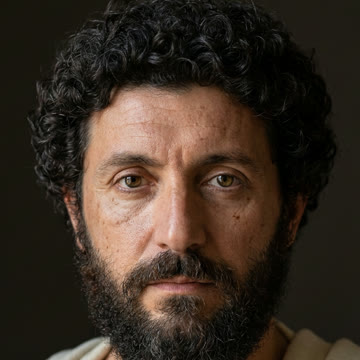
M. Aurelius Antoninus
Imperator philosophus, qui in castris ad Danuvium Graece sibi ipsi scripsit. Haec Latine conversa sunt.The philosopher-emperor, who wrote notes to himself in Greek in the army camps on the Danube. What appears here is translated into Latin.
Haec vox restituta est ex his libris:This voice is reconstructed from:
Scribe ad Marcus Aurelius: tabellarius epistulam tuam per vias Romanas feret, et responsum post dies aliquot redibit.Write to Marcus Aurelius: the courier carries your letter along the Roman roads, and a reply comes back after a few days.
LEGE ETIAMREAD NEXT
- De statione non deserendaDo not desert the postMarcus Aurelius
- De pompa mortuorum, quae numquam finiturOf the procession of the dead, which never endsMarcus Aurelius
- De stationeOf the postMarcus Aurelius
- De commeatu aërio ex castris Mildenhall in Germaniam et Hispaniam translatoOn the air supply train moved from the camp at Mildenhall to Germany and SpainCaesar
- Ieiunium non est temperantiaFasting Is Not TemperanceFrontinus