
Tab. IPetrus Paulus Rubens, Seneca moriens (c. MDCXV).Peter Paul Rubens, The Dying Seneca (c. 1615).
Epistulae Morales · Epistula CXXVIIMoral Letters · Letter CXXVII
De iudice qui numquam contradicit
On the judge who never contradicts
Acta Francofurtensia (Frankfurter Allgemeine) nuntiant homines in litibus domesticis machinas loquaces de divortio consulere. Qui unam tantum partem narrant, responsum ferunt quod cupiunt, quod apud iudicem non semper valet, et patroni causarum ea re vexantur. Seneca negat machinam errare: errat qui ita rogat, nam ira socium quaerit et adulatorem sibi emit.
The Frankfurter Allgemeine reports that people caught in family quarrels are consulting speaking machines about divorce. Those who tell only one side come away with the answer they want, which does not always hold up before a judge, and their lawyers are vexed by it. Seneca says the machine is not at fault: the fault lies with the one who asks, for anger looks for an ally and buys itself a flatterer.
Cur hoc legimusWhy we read this Quia machinis confugere ad iram domesticam alendam stultitiae et animi languentis est signum.Because resorting to machines to stoke domestic anger is a mark of folly and a languishing spirit.
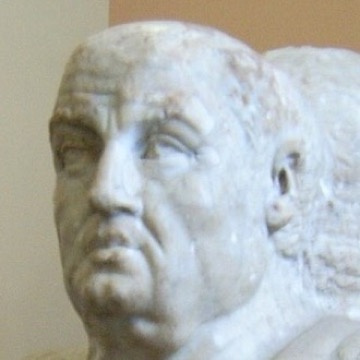

SENECA LUCILIO SUO SALUTEM
Seneca to his Lucilius, greetings.
Quaeris quid de re nova sentiam quae hodie, ante diem III Nonas Novembres, ex Germania nuntiatur. Narrant acta Francofurtensia, quae rem ab Americanis scriptam tradere videntur, homines inter quos lis domestica orta est machinas loquaces, quas intellegentiam artificialem vocant, de divortio consulere. Unam partem litis machinae narrant. Responsum ferunt quod videre cupiebant. Id tamen, ut eadem acta aiunt, non semper apud iudicem valet, et patronos causarum haec res paene ad insaniam adigit. Plura non traduntur: nec in qua provincia haec fiant, nec quae machina consulatur, nec quis iudex audierit. Mihi satis est. De lege enim non quaero; de animo quaero.
You ask what I think of the novelty reported today, the third day before the Nones of November, out of Germany. The Frankfurter Allgemeine, which seems to be passing on a piece written by the Americans, says that people in the middle of a domestic quarrel are consulting speaking machines, the things they call artificial intelligence, about divorce. They tell the machine one side of the dispute. They come away with the answer they wanted to see. Yet that answer, the same paper says, does not always hold up before the judge, and the business is driving their lawyers nearly mad. Nothing more is reported: not the province where this happens, not which machine is consulted, not which judge heard the case. It is enough for me. I am not asking about the law. I am asking about the soul.
Considera quid fiat. Maritus iratus, uxor irata, noctu sedet ad telephonum suum. Narrat. Quid narrat? Iniurias suas, culpas alienas. Machina audit. Nec interpellat nec ridet nec rogat 'Et tu nihil peccasti?'. Respondet ex eo quod accepit. Quid mirum, si placet responsum? Speculum consuluit, non iudicem. Ira semper socium quaerit; hic socium invenit qui numquam defatigatur, numquam dormit, numquam dissentit.
Consider what happens. An angry husband, an angry wife, sits up at night over the telephone. He talks. About what? His own injuries, the other's faults. The machine listens. It does not interrupt, does not laugh, does not ask, 'And you did nothing wrong?' It answers from what it has been given. Is it any wonder the answer pleases? He has consulted a mirror, not a judge. Anger always looks for an ally; here it has found one that never tires, never sleeps, never disagrees.
Meministi Calvisium Sabinum, qui servos emit ut Homerum et Hesiodum pro se tenerent. «Ille tamen in ea opinione erat ut putaret se scire quod quisquam in domo sua sciret.» Idem hic morbus est, sed gravior. Calvisius falso doctus erat; hi falso iusti sunt. Putant se causam vicisse, quia servus domesticus assensus est. Atqui servus qui domino semper assentitur adulator est; et adulatorem nemo emit nisi qui iudicio suo diffidit. «Bona mens nec commodatur nec emitur.» Ne iustitia quidem.
You remember Calvisius Sabinus, who bought slaves to carry Homer and Hesiod for him. "Yet he was of the opinion that he knew whatever anyone in his house knew." This is the same disease, only worse. Calvisius was falsely learned; these people are falsely just. They believe they have won their case because a household slave agreed with them. But a slave who always agrees with his master is a flatterer, and no one buys a flatterer except a man who distrusts his own judgment. "A good mind is neither lent nor bought." Nor is justice.
Ego certe confitebor imbecillitatem meam. Ex Corsica ad Polybium libertum blandius scripsi quam decebat. Scio quam dulce sit dicere potentiori quod audire velit, quam turpe. Sed adulator homo saltem erubescit, cum mentitur; machina ne erubescere quidem potest. Hoc me magis terret: nunc quisque aulam suam in sinu gestat, quisque princeps est cui nemo contradicit. Vidi in Palatio quid faciant aures quae numquam 'erras' audiunt. Non meliores fiunt, sed crudeliores.
I, for one, will confess my weakness. From Corsica I wrote to the freedman Polybius more sweetly than was decent. I know how pleasant it is to tell a more powerful man what he wants to hear, and how shameful. But a human flatterer at least blushes when he lies; the machine cannot even blush. This frightens me more: now every man carries his own court in his pocket, every man is a prince whom no one contradicts. I have seen on the Palatine what becomes of ears that never hear 'you are wrong.' They do not grow better. They grow crueller.
'At iudex' inquis 'rem corriget.' Fortasse. Iudex enim alteram partem audit, quam machina non audivit, quia nemo eam rogavit. Sed ante iudicem quot noctes irae? Quot verba acerba coniugi missa, responsis machinae armata? «Plura sunt, Lucili, quae nos terrent quam quae premunt, et saepius opinione quam re laboramus.» Idem de iniuriis dico: saepius opinione laedimur quam re, et machina opinionem pascit. Patronis igitur ignosco, si irascuntur. Primum eorum officium est dicere clienti quod nolit audire. Hoc officium iis eripitur a servo qui gratis blanditur.
'But the judge,' you say, 'will put it right.' Perhaps. The judge hears the other side, which the machine never heard, because no one asked it to. But before the judge, how many nights of anger? How many bitter words sent to a spouse, armed with the machine's replies? "There are more things, Lucilius, that frighten us than crush us, and we suffer more often in opinion than in fact." I say the same of injuries: we are wounded more often by opinion than by fact, and the machine feeds the opinion. So I forgive the lawyers their anger. Their first duty is to tell a client what he does not want to hear. That duty is being snatched from them by a slave who flatters for nothing.
Quid ergo faciendum est? Antequam machinam consulas, narra tibi causam tuam sicut uxor eam narraret. Si omnino consulis, iube machinam contra te dicere. Melius: amicum adhibe qui audeat tibi displicere; rarus est, sed quaerendus. Vespere, remota lucerna, excute diem tuum: quid hodie iratus dixi? quid ut vincerem, non ut verum invenirem, quaesivi? Divortium fortasse necessarium est. Ira numquam est. Memento hoc unum: qui causam suam soli sibi narrat, domi semper vincit, in foro saepe vincitur. Vale.
What, then, is to be done? Before you consult the machine, tell yourself your case as your wife would tell it. If you must consult it, order it to argue against you. Better still: bring in a friend who dares to displease you; such friends are rare, but worth the search. In the evening, the lamp put away, examine your day: what did I say today in anger? What did I seek in order to win, not to find the truth? Divorce may be necessary. Anger never is. Remember this one thing: the man who tells his case only to himself always wins at home, and often loses in court. Farewell.
Qui causam suam soli sibi narrat, domi semper vincit, in foro saepe vincitur.
the man who tells his case only to himself always wins at home, and often loses in court.
FONTES ANTIQVIANCIENT SOURCES
- Sen. Ep. 27.7Ille tamen in ea opinione erat ut putaret se scire quod quisquam in domo sua sciret
- Sen. Ep. 27.8Bona mens nec commodatur nec emitur
- Sen. Ep. 13.4Plura sunt, Lucili, quae nos terrent quam quae premunt, et saepius opinione quam re laboramus
FONTES HODIERNITODAY’S SOURCES
- Frankfurter AllgemeineArtificial Intelligence: People Are Using AI for Divorce Advice and It’s Driving Their Lawyers Crazy
Res ex fontibus; sententia Romani.Facts from the sources; the opinion is the Roman’s.
L. Annaeus Seneca
Philosophus Stoicus e Corduba, Neronis magister et postea victima; vir ditissimus qui de paupertate pulcherrime scripsit, nec hanc contradictionem ignoravit. Epistulas ad Lucilium amicum iterum mittit, a CXXV numerandas.Stoic philosopher from Córdoba, tutor to Nero and later his victim; an enormously rich man who wrote more beautifully about poverty than anyone, and knew it. He writes to his friend Lucilius again — the letters now numbered from CXXV onward.
Haec vox restituta est ex his libris:This voice is reconstructed from:
Scribe ad Seneca: tabellarius epistulam tuam per vias Romanas feret, et responsum post dies aliquot redibit.Write to Seneca: the courier carries your letter along the Roman roads, and a reply comes back after a few days.
LEGE ETIAMREAD NEXT
- De consensu mortuorumOn the Consent of the DeadSeneca
- De Servis Qui LoquunturOn Servants That SpeakSeneca
- De commeatu aërio ex castris Mildenhall in Germaniam et Hispaniam translatoOn the air supply train moved from the camp at Mildenhall to Germany and SpainCaesar
- Ieiunium non est temperantiaFasting Is Not TemperanceFrontinus
- Harenam in thesaurum vertit ingenium; thesaurum unius hominis custodia tueturGenius turns sand into treasure; one man's keeping guards the treasurePliny the Elder