VITA
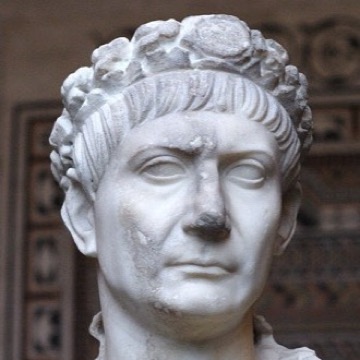
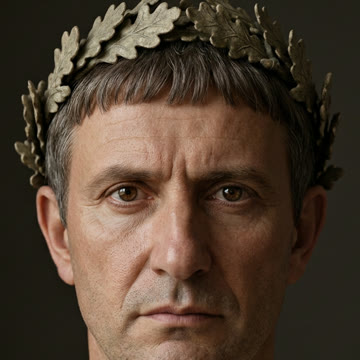
de vita eiushis lifeM. Ulpius Traianus Italicae in Hispania anno LIII p.C.n. natus est, patre senatore illustri. Diu in legionibus ad Rhenum et in Syria militavit. Legatus legionis in Hispania eam anno LXXXIX contra Saturninum rebellem ad Rhenum duxit, et consul anno XCI fuit. Anno XCVII Nerva senex, praetorianis instantibus, eum adoptavit; mense Ianuario anni XCVIII imperator factus est, primus ex provinciis oriundus.
Marcus Ulpius Traianus was born at Italica in Spain in A.D. 53, son of a distinguished senator. He served for many years with the legions on the Rhine and in Syria. As legate of a legion in Spain he marched it to the Rhine in 89 against the rebel Saturninus, and he was consul in 91. In 97 the aged Nerva, under pressure from the praetorian guard, adopted him; in January 98 he became emperor, the first whose family came from the provinces.
Daciam duobus bellis (annis CI–CII et CV–CVI) subegit, ponte Apollodori Danuvium transgressus, victoriamque foro et columna celebravit. Domi alimenta pueris pauperibus Italiae instituit, portum Ostiensem et vias novas aedificavit, senatum honoravit; 'Optimus' appellatus est. Etiam multis post saeculis senatus novis principibus acclamabat: 'felicior Augusto, melior Traiano.'
He conquered Dacia in two wars (101–102 and 105–106), crossing the Danube on Apollodorus' bridge, and celebrated the victory with his Forum and Column. At home he funded the maintenance of poor children in Italy, built the harbour at Portus and new roads, and treated the senate with respect; he was given the title Optimus, 'the best'. Centuries later the senate still greeted new emperors with the wish: 'luckier than Augustus, better than Trajan.'
Epistulae inter eum et Plinium, Bithyniae praesidem, regimen eius ostendunt: rescripta brevia et prudentia de operibus publicis, de pecunia, de iustitia, inter quae illud, libellos sine auctore propositos nullo crimine locum habere debere. De Christianis rescripsit conquirendos non esse, sed delatos et convictos puniendos, nisi dis supplicando paenitentiam probarent. Bello Parthico (annis CXIV–CXVII) arma Romana ad sinum Persicum tulit; domum rediens Selinunte in Cilicia anno CXVII mortuus est.
His correspondence with Pliny, governor of Bithynia, shows his rule in miniature: brief, practical rescripts on public works, money and justice, including the ruling that anonymous accusations must have no place in any charge. On the Christians he ruled that they were not to be hunted out, but if accused and convicted should be punished, unless they recanted by worshipping the gods. His Parthian war (114–117) carried Roman arms to the Persian Gulf; on the way home he died at Selinus in Cilicia in 117.
TEMPORA
res gestaetimeline- 53 p.C.n.A.D. 53Italicae nascitur.Born at Italica.
- 97 p.C.n.A.D. 97A Nerva adoptatur.Adopted by Nerva.
- 98 p.C.n.A.D. 98Imperator.Emperor.
- 101–102 p.C.n.A.D. 101–102Bellum Dacicum primum.First Dacian War.
- 105–106 p.C.n.A.D. 105–106Bellum Dacicum alterum; Dacia provincia.Second Dacian War; Dacia becomes a province.
- 113 p.C.n.A.D. 113Columna Traiana dedicatur.Trajan's Column is dedicated.
- 117 p.C.n.A.D. 117Selinunte moritur.Dies at Selinus.
SENTENTIAE
verba ipsiusin his own wordsSine auctore vero propositi libelli nullo crimine locum habere debent. Nam et pessimi exempli nec nostri saeculi est.
Anonymous accusations must have no place in any charge; they set the worst precedent and are not worthy of our age.
Plin. Ep. X.97.2
Non ex metu nec terrore hominum aut criminibus maiestatis reverentiam nomini meo acquiri.
Respect for my name is not to be won through fear and terror or charges of treason.
Plin. Ep. X.82.1
Invitos ad accipiendum compellere non est ex iustitia nostrorum temporum.
To compel the unwilling to borrow is not in keeping with the justice of our times.
Plin. Ep. X.55
SCRIPTA IN ACTISHIS PIECES IN THE ACTA
—Nondum in Actis scripsit — mox scribet.He has not written for the Acta yet — his turn is coming.